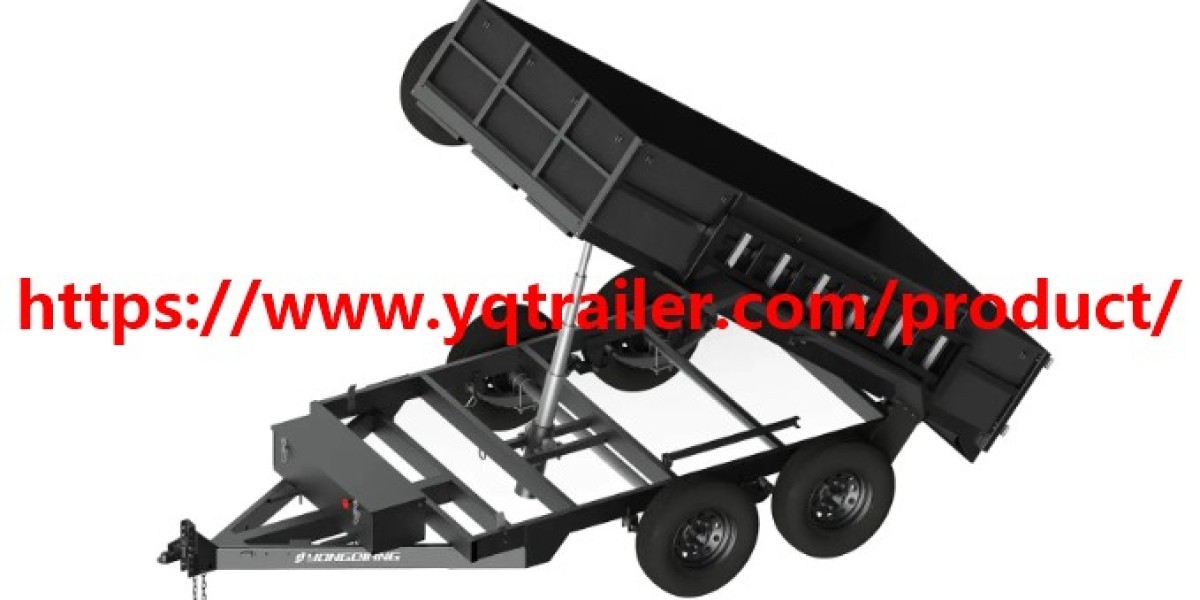

Independent outdoor travel often involves more preparation than a conventional road trip. Travelers may need to carry camping equipment, organize supplies, and establish a comfortable place to rest without relying on developed facilities. In this setting, an Offroad Caravan Trailer can provide a flexible foundation for carrying equipment and supporting mobile accommodation. Its usefulness depends on how well the structure, towing arrangement, storage layout, and interior features work together. Buyers who understand these relationships can compare products according to their real travel needs instead of focusing only on rugged styling or promotional descriptions.
The materials used in trailer construction influence durability, maintenance, and overall practicality. Steel is commonly considered for chassis structures because it can provide substantial structural support when appropriately designed and protected against corrosion. Aluminum may be used for selected components where reducing weight is beneficial, while composite panels can contribute to enclosure construction and insulation. Exterior coatings, seals, hinges, and fasteners also deserve attention because they are exposed to road debris, moisture, and repeated movement. Interior materials face a different set of demands, including cleaning, abrasion, and frequent handling. Rather than evaluating each material separately, buyers should consider how the complete combination responds to the conditions expected during travel.
A useful selection process begins with the route and the equipment the trailer must carry. Travelers who mainly use maintained gravel roads may have different requirements from those exploring remote tracks or camping far from established services. Buyers should examine ground clearance, underbody protection, suspension arrangement, storage access, and the compatibility of the trailer with the intended towing vehicle. The total loaded combination matters because additional cargo changes how the trailer behaves on the road. It is also important to check the towing vehicle's approved capacity, the trailer's permitted loading limits, and the applicable local regulations. A design should match the intended journey rather than encouraging travel beyond the capabilities of the equipment.
Chassis and running gear influence how the trailer responds to uneven terrain. The chassis provides the supporting framework, while the suspension helps manage wheel movement as the trailer passes over irregular surfaces. Coupling components connect the trailer to the towing vehicle, and the braking and lighting systems contribute to controlled operation and visibility. These systems must be compatible and maintained according to the manufacturer's instructions. Protection for exposed components can also be relevant when traveling on routes where stones, branches, or loose debris may be encountered. Buyers should ask how important mechanical components are arranged, inspected, and serviced, particularly if they expect to travel far from repair facilities.
Storage design can make a substantial difference to everyday use. Outdoor travelers may carry cooking equipment, recovery tools, spare clothing, water supplies, and recreational gear, all of which need to be organized securely. Compartments should provide practical access without requiring users to unload unrelated items each time something is needed. Frequently used equipment may benefit from accessible storage, while heavier items should be positioned in accordance with the manufacturer's loading guidance. Internal fittings and external doors also need to remain secure during travel. A thoughtful layout can reduce setup time at camp and help travelers maintain an orderly living area when space is limited.
Comfort and usability extend beyond storage. Ventilation, lighting, sleeping arrangements, and convenient access to essential equipment influence how easily travelers settle into a campsite. Interior surfaces should suit outdoor use, where dust, damp clothing, and muddy footwear may be part of everyday routines. Durable finishes and straightforward cleaning methods can reduce the effort required to maintain the living space. Buyers should also consider how the trailer functions in different weather conditions and whether the available facilities match the length and style of their trips. Practical design focuses on making common tasks easier rather than filling the interior with features that may rarely be used.
Exterior appearance can communicate the intended character of a trailer, but styling should support functional design. Protective panels, carefully arranged storage doors, accessible service points, and a cohesive body shape can contribute to both appearance and usability. Window placement and entry arrangements affect ventilation, natural light, and movement around the campsite. Finishes should be suitable for outdoor exposure and manageable to clean after dusty journeys. Designers also need to consider how the trailer is manufactured, transported, and inspected. Well-coordinated details help create a finished product that looks purposeful while remaining practical for repeated use.
Long-term ownership depends partly on how easily the trailer can be inspected and maintained. Before and after trips, owners should follow recommended checks for tires, wheel assemblies, coupling connections, lights, brakes, suspension, fasteners, and signs of damage. Traveling on rough roads may make additional inspection appropriate, especially when unusual movement or noise occurs. Buyers can ask about service documentation, replacement-part availability, and access to technical support before choosing a product. Clear instructions and sensible component placement can make routine care easier and help owners prepare for trips with greater confidence.
Jinhua Yongqiang Vehicles Factory produces vehicle and trailer products for different transportation and recreational applications. Businesses and individual buyers exploring trailer options can discuss intended routes, cargo requirements, towing arrangements, storage preferences, and desired living features with the company. Reviewing the available designs and construction details helps clarify which options may suit a particular travel plan. Further information about the company's products is available at https://www.yqtrailer.com/.